
Understand your options
Indoor air quality and comfort in Glen Rock homes
Air quality is more than a filter choice. Sources of pollutants, ventilation, moisture and filtration can all affect the indoor environment. Explain what you notice, where it happens and whether the concern changes with the season.
What are you noticing?
- Dust seems to build up quickly
- Rooms feel stale
- Air feels unusually dry or damp
- Comfort concerns began after changes to the home
Note when it happens, which rooms are affected and whether it began after other work. Model information can help, but a diagnosis is not required.
What a useful assessment considers
A practical discussion starts with the concern and the home, then considers equipment-compatible options. Filtration must work with the system's airflow. Ventilation and humidity control serve different purposes, and an HVAC device should not be presented as a cure for every indoor-air problem.

Compare the next step before deciding
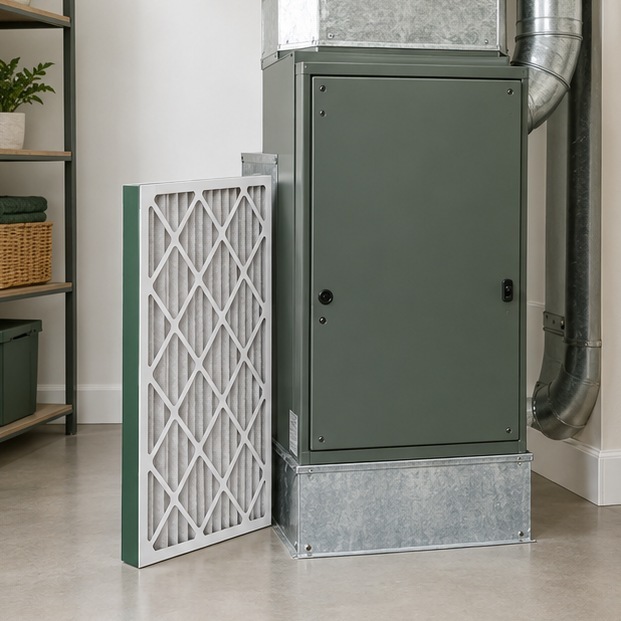
Compare source control, ventilation and filtration rather than treating one product as the whole answer. Ask about ongoing filter replacement, cleaning and maintenance before choosing equipment. Moisture intrusion or other building issues may need attention outside the HVAC scope.
Read EPA’s indoor air quality guidance for context on source control, ventilation and filtration.
Is the highest-rated filter always the best choice?
Not necessarily. A filter must fit the equipment and its airflow requirements. Ask which options the system can use correctly and follow manufacturer guidance. EPA's indoor-air resources explain why source control and ventilation also matter.
Related comfort topics
A useful next step starts with your observations
You do not need to identify a broken part. Gather the location, affected rooms, system type if known, and when the problem began.
An inquiry is not a confirmed appointment or emergency dispatch. Service scope, pricing and availability are confirmed directly.