
Practical planning · Glen Rock
Homeowner HVAC Guide for Glen Rock, NJ
Organize what you notice, compare the full scope and ask better questions before choosing a repair, replacement or room-comfort project.

Write down the change, not a guessed diagnosis
- Which rooms or floors are affected?
- Does it happen in heating, cooling or both?
- When did it begin, and is it constant or occasional?
- Did equipment, room use or the layout change recently?
- What model information or service records do you already have?
Use a safe photo or existing paperwork if available. Do not open electrical or fuel-burning equipment to collect information.
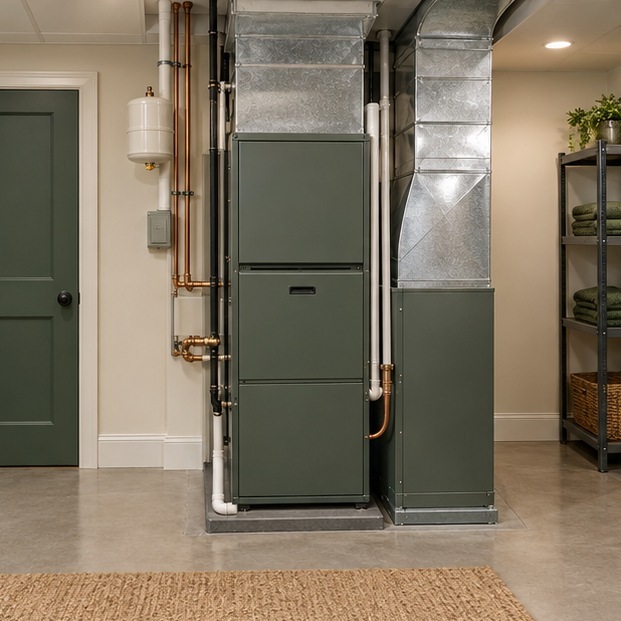
Repair or replace: compare evidence and scope
Ask what finding explains the problem and what each option is intended to fix. Compare condition, repair history, comfort needs and installation requirements. The equipment price alone may leave out controls, ducts, electrical work, drainage or venting.
Request written, itemized scope. Confirm inclusions, exclusions, scheduling and any permit coordination before approving work. Use the replacement and conversion guide for a closer look.
Plan seasonal care around your equipment
Keep records together and follow the manufacturer’s directions for basic care. Ask which professional checks apply to your system and which tasks are separate from a quoted visit. Our maintenance guide explains useful questions.
Use the ENERGY STAR professional maintenance checklist to organize questions about seasonal care.
When the concern is room comfort
Compare airflow and distribution, controls and room-based options. A larger system is not automatically the answer. Explain the time of day and room use as well as the temperature concern.
Independent information worth keeping
Read EPA’s indoor air quality guidance for context on source control, ventilation and filtration.
For project-specific permit and inspection questions, consult the Glen Rock Building Department.
A safety concern is not a website inquiry
If you suspect an immediate danger, move to a safe location and contact emergency services. Do not wait for a website reply or try to repair electrical or fuel-related hazards yourself.
A useful next step starts with your observations
You do not need to identify a broken part. Gather the location, affected rooms, system type if known, and when the problem began.
An inquiry is not a confirmed appointment or emergency dispatch. Service scope, pricing and availability are confirmed directly.